

I had the opportunity to participate in the Responsible AI International Sandpit, co-hosted by RAI UK and the Centre for Responsible AI (CeRAI) set amidst the historic beauty of Neemrana Fort Palace in India from 23rd to 26th September 2024. This four-day event brought together experts from various fields—technology, law, psychology, and academia—from both the UK and India, to collaboratively tackle the pressing challenges of developing and deploying AI solutions responsibly and ethically.
The theme of the event was centered on a pivotal question that set the stage for our discussions and collaboration, urging us to explore how the unique cultural and societal landscapes of both nations could be leveraged to create safe and ethical AI solutions.
The Sandpit was designed to be an intensive and immersive experience. Over the four days, we were encouraged to step out of our comfort zones, connect across disciplines, and work together to develop problem statements that could lead to long term projects, with the potential for funding and mentorship. The diversity of participants, spanning AI researchers, legal professionals, psychologists, and social scientists, enriched the dialogue and pushed us to consider new avenues in Responsible AI.
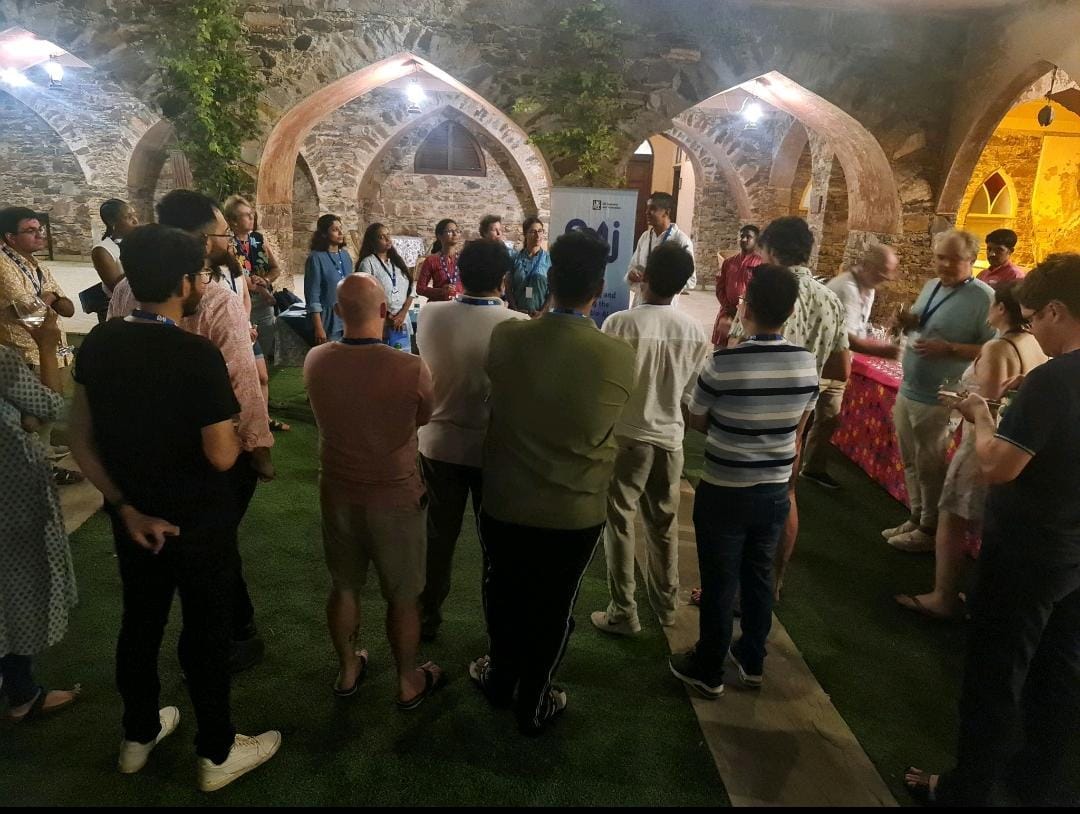
We kicked off the Sandpit with a warm welcome address from Professor Sarvapali (Gopal) Ramchurn, CEO of UK Responsible AI; the Director, Professor Derek McAuley from the University of Nottingham, and mentors, followed by an exciting networking session and a delightful dinner. Set against the stunning lights and night beauty of the fort, this served as a great ice-breaking opportunity, enabling us to connect with new faces, share our experiences and aspirations, and discover like-minded individuals to collaborate with in the days ahead.
Indeed, each day of our Sandpit journey began with the breathtaking views of Neemrana Fort Palace, setting the stage for the day ahead. We commenced with the Sandpit session where we continued exploring our multi-disciplinary backgrounds and experiences with the international participants. Initially working individually, we soon formed small teams to delve deeper into the Sandpit’s pivotal question. This collaborative exploration enriched our understanding of key aspects such as demography, policies, and the social and cultural nuances of both India and the UK.
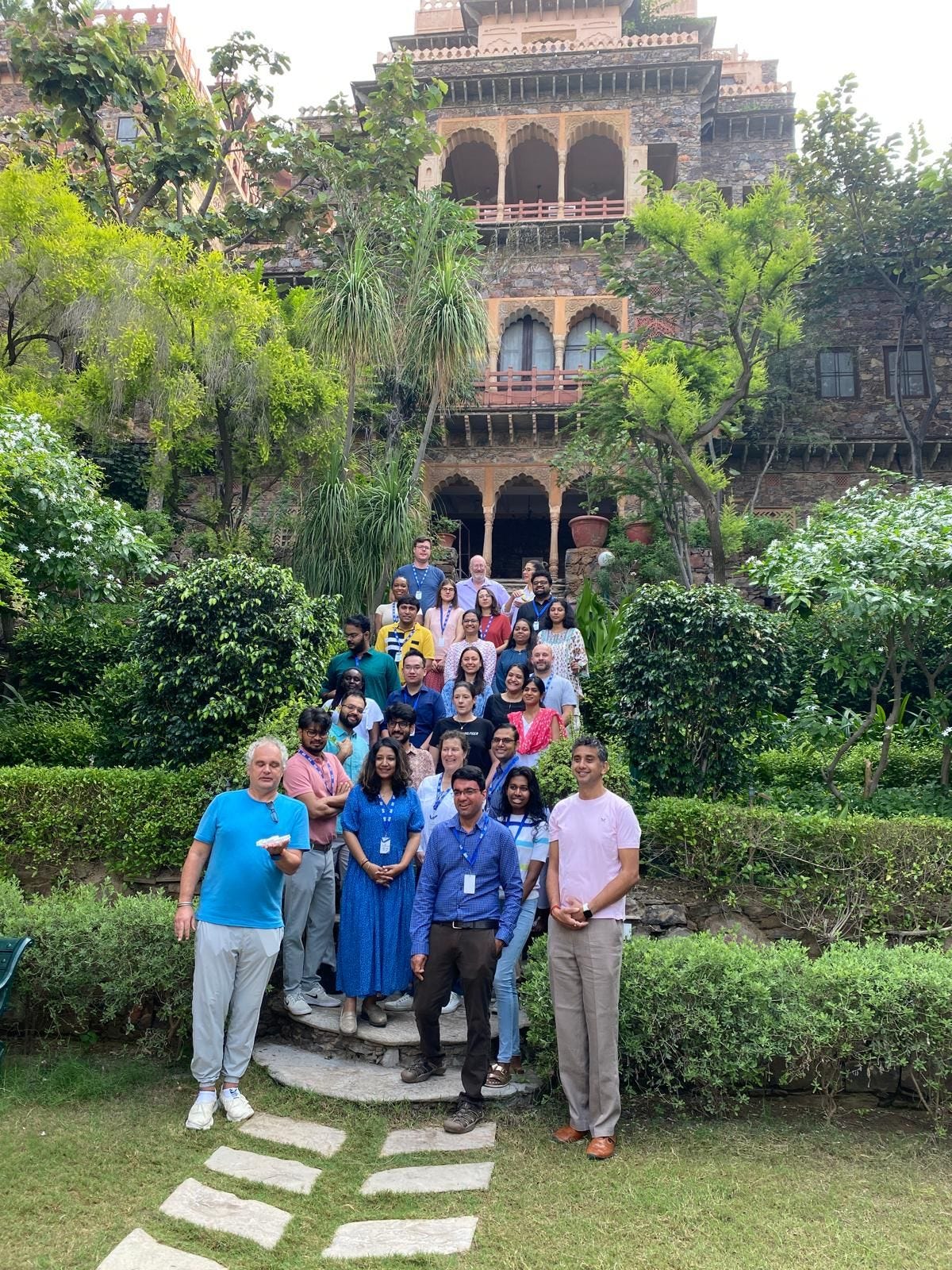
As we move forward, the focus shifts towards crafting technically feasible and socially impactful solutions that will address the pivotal question. Through a series of iterative feedback sessions, our ideas took shape, becoming clearer and more focused. It was a fun-filled learning session with lots of collaborative pitching and constructive critiques that pushed our thinking to new heights and thereby helped improve our project. Finally, we presented our well-framed project ideas to the mentors which was followed by a quick Q&A. It felt like an exciting challenge to share everything we’d learned, created, and refined in such a short time. We wrapped up the day with a group photo and a relaxed feedback session to reflect on our sandpit experiences.
And now, looking back on the days spent at the Responsible AI International Sandpit, it is so much more than just building projects. It was a transformative experience that brought together people from diverse backgrounds, disciplines, and cultures, all united by the vision of responsible AI. Beyond the technical discussions, we gained new perspectives, exchanged insights, and deepened our understanding of how we, as RAI practitioners and researchers, can benefit humanity. From start to finish, the organizers went above and beyond to ensure we felt welcomed, supported, and energized. Their compassion created a warm, inclusive environment that made us feel at home, no matter how intense the sessions became.
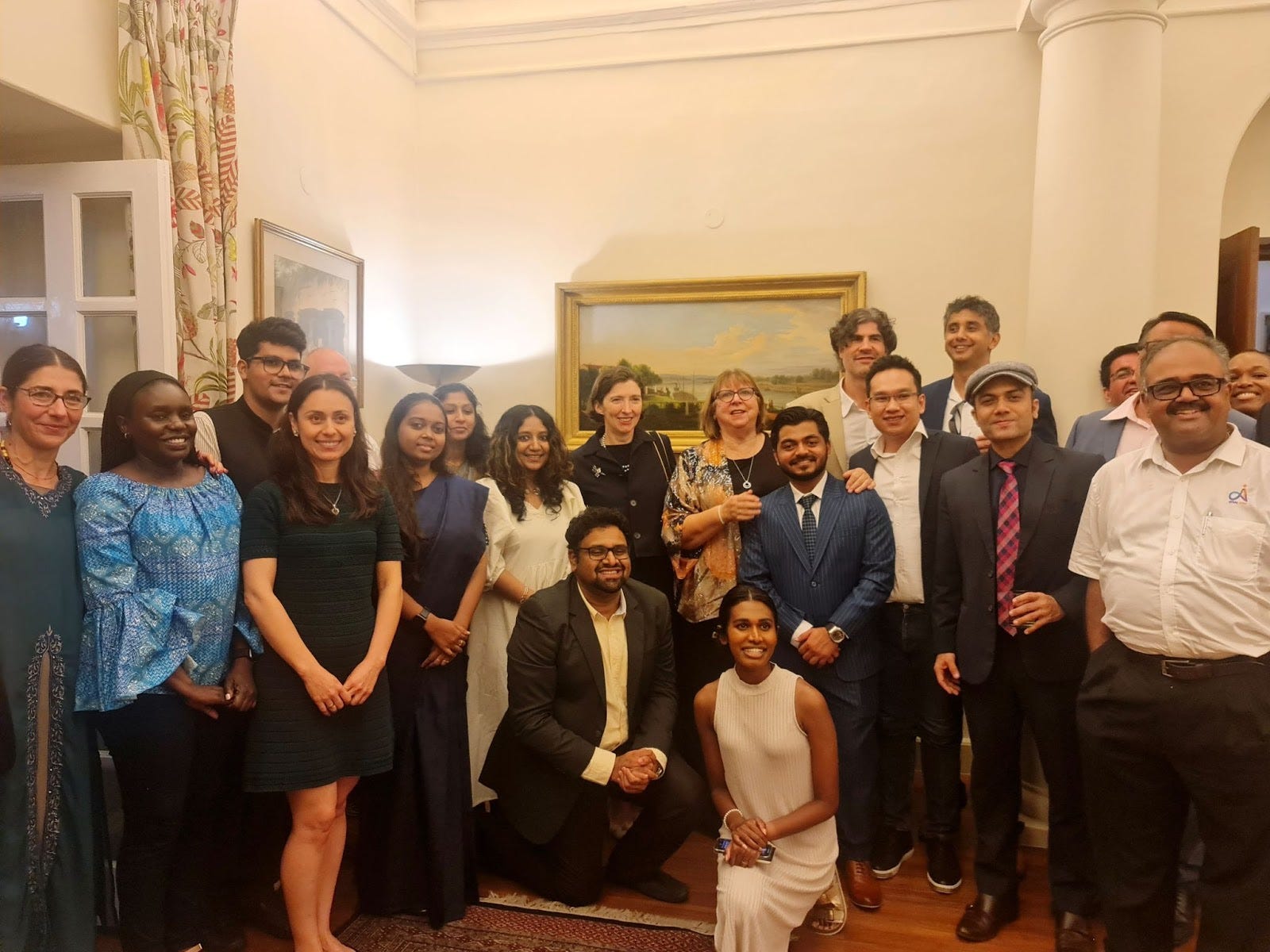
With all the new lessons we learned, the memories we created, the laughter we shared, and the friendships we built, we bid farewell to the historic elegance of Neemrana Fort. The next day, we headed to the RAI workshop at IIIT Delhi, followed by a dinner reception at the British High Commission in New Delhi, India.
The UK and India share a rich historical and cultural connection, grounded in shared democratic values and governance systems. This strong foundation has evolved into a strategic partnership, formalized through recent joint statements and agreements. Both nations are actively collaborating across various sectors, including trade, investment, education, science, and technology, particularly in the promising field of AI. The British High Commission in India plays a pivotal role in fostering these bilateral ties, especially in promoting AI research and collaborations.
CeRAI is excited about continuing to build upon these evolving projects with RAI UK. Together, we aim to co-create impactful AI solutions that will benefit diverse coes in both the UK and India.
You can contact the author at geetha@cerai.in.